
How Your Cat's Mouth Quietly Affects Their Entire Body
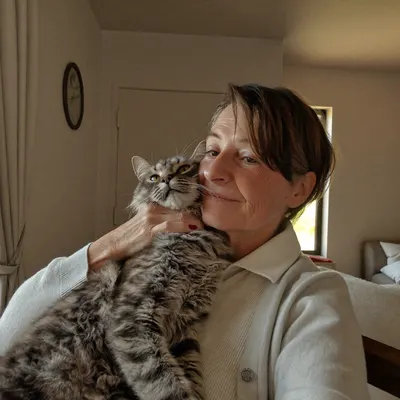
You know the moment. Your cat jumps onto your lap, purrs, leans in for the head-butt under your chin — and the smell arrives before the affection does. Or they curl up next to you on the couch, start grooming, and within a minute the whole cushion smells sour.

Here's what makes this different — and more dangerous — for cats than for any other pet:
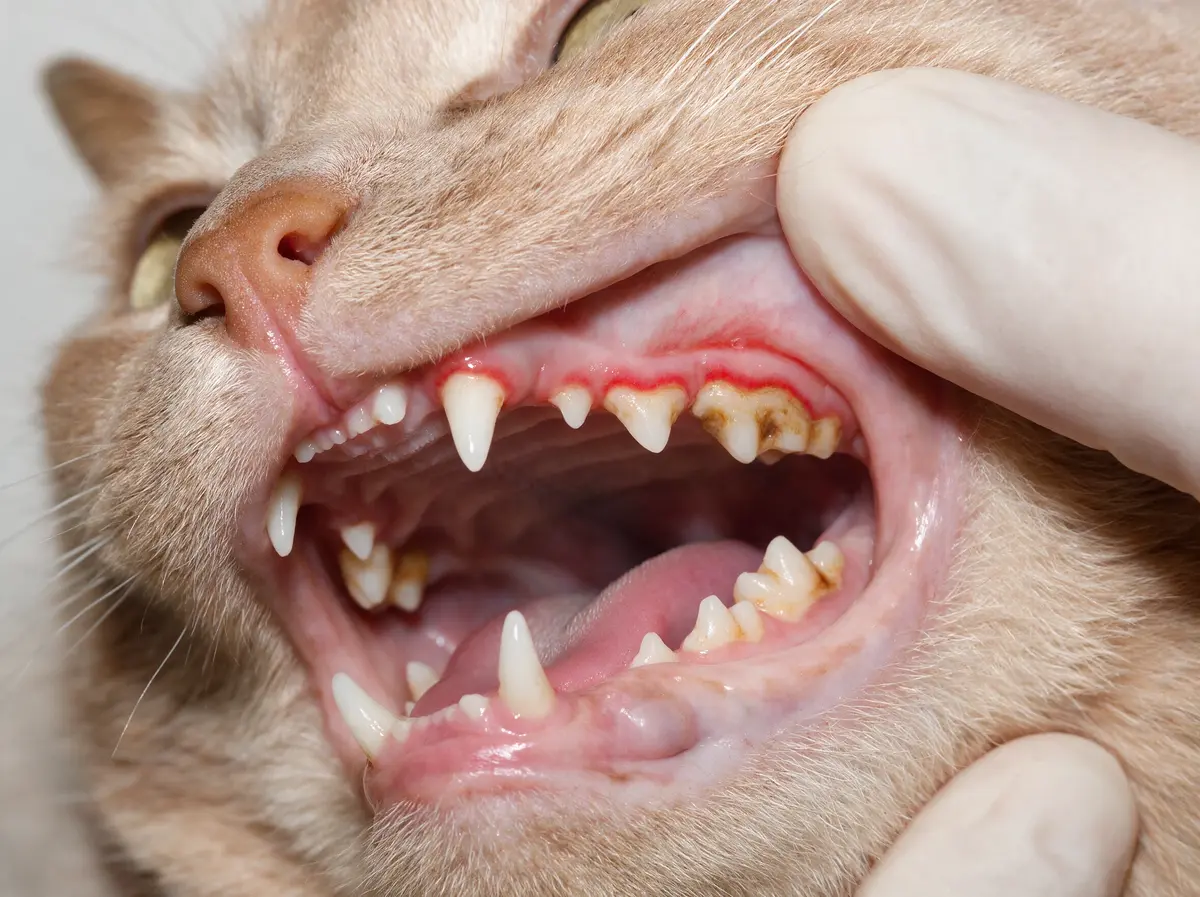
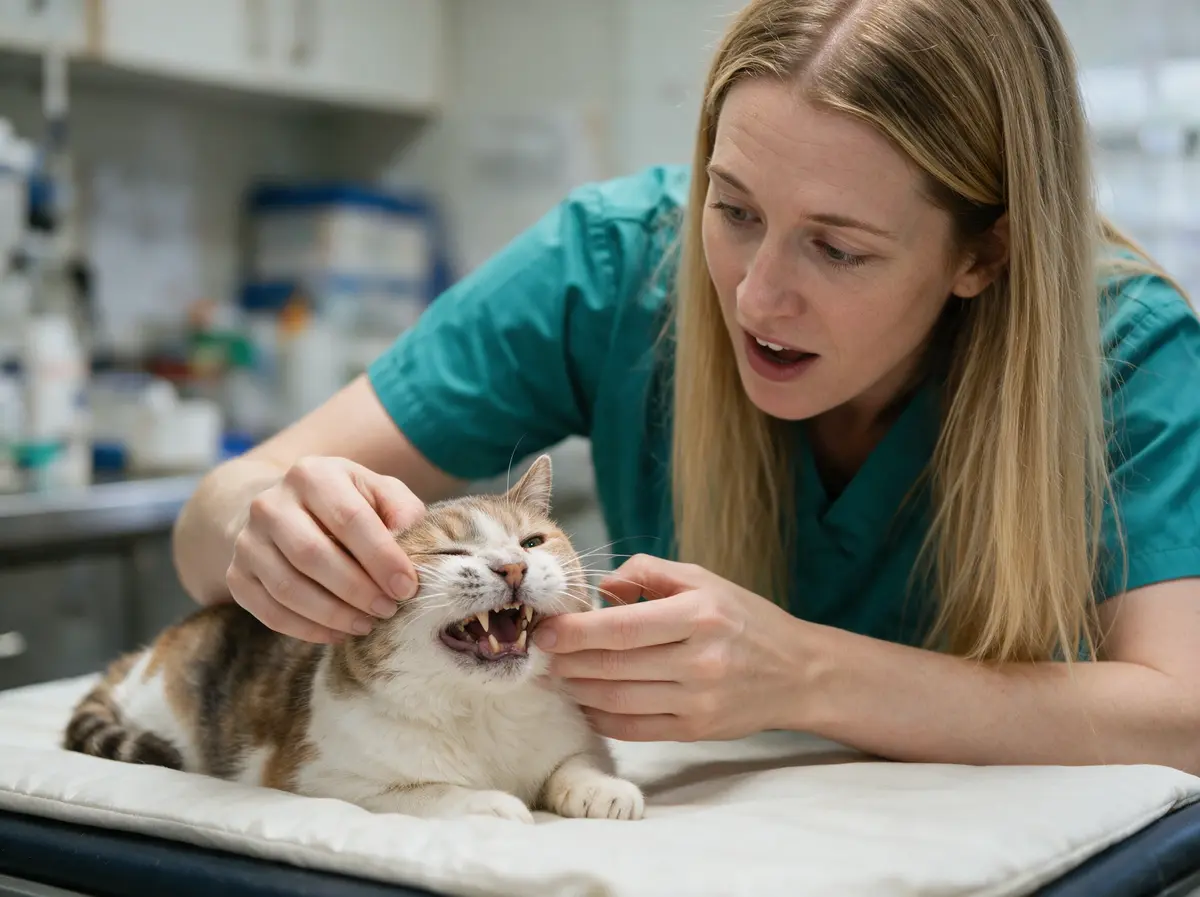
Cats are the best pain-hiders in the animal kingdom. A cat with an abscessed tooth will keep eating. A cat with inflamed gums will keep purring on your lap. Hiding weakness is hard-wired survival instinct — which means by the time a cat shows mouth pain, the disease is usually advanced.
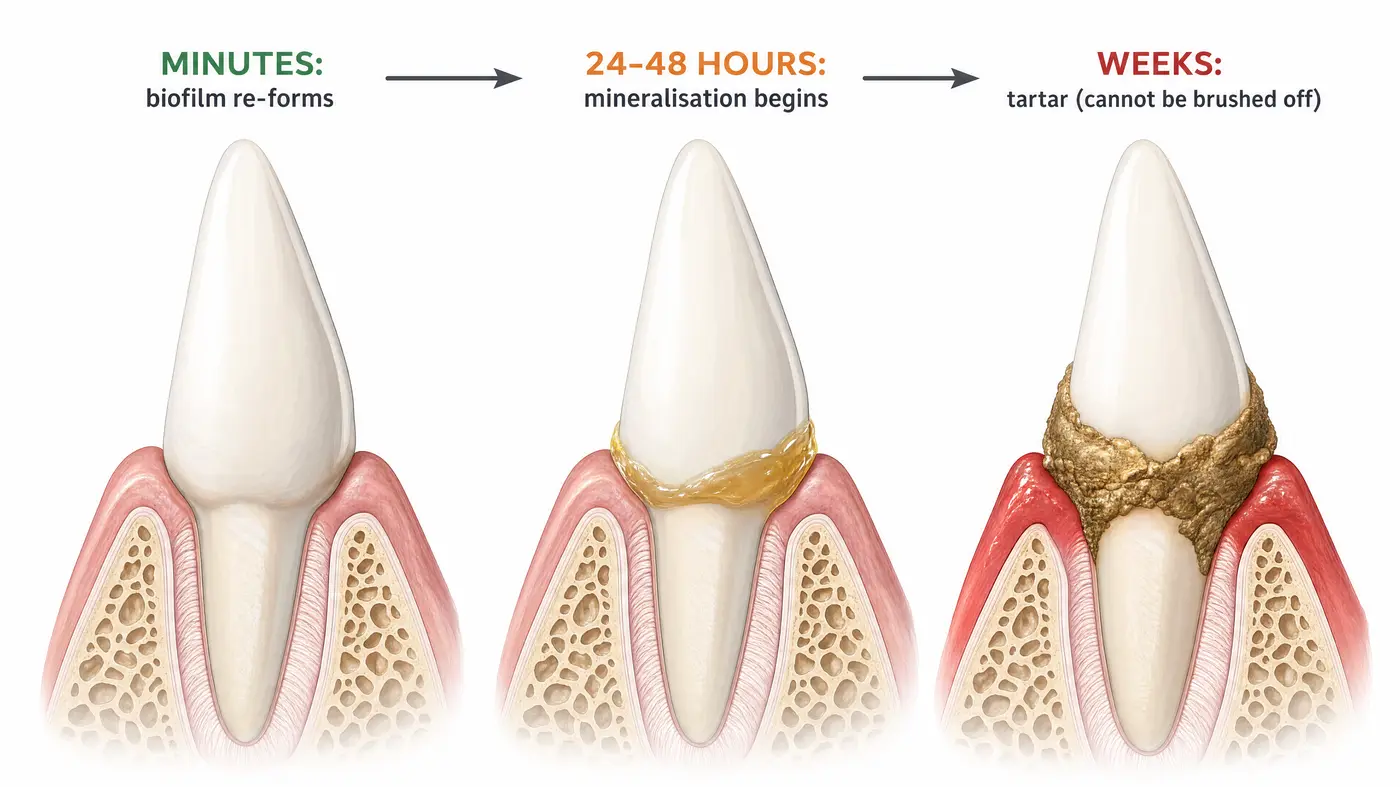
And it doesn't stay in the mouth. The bacteria enter the bloodstream with every swallow and travel to the heart, the liver — and the kidneys, the organ every cat owner learns to fear. Dental disease and kidney decline in ageing cats are deeply connected, and one of them is preventable.
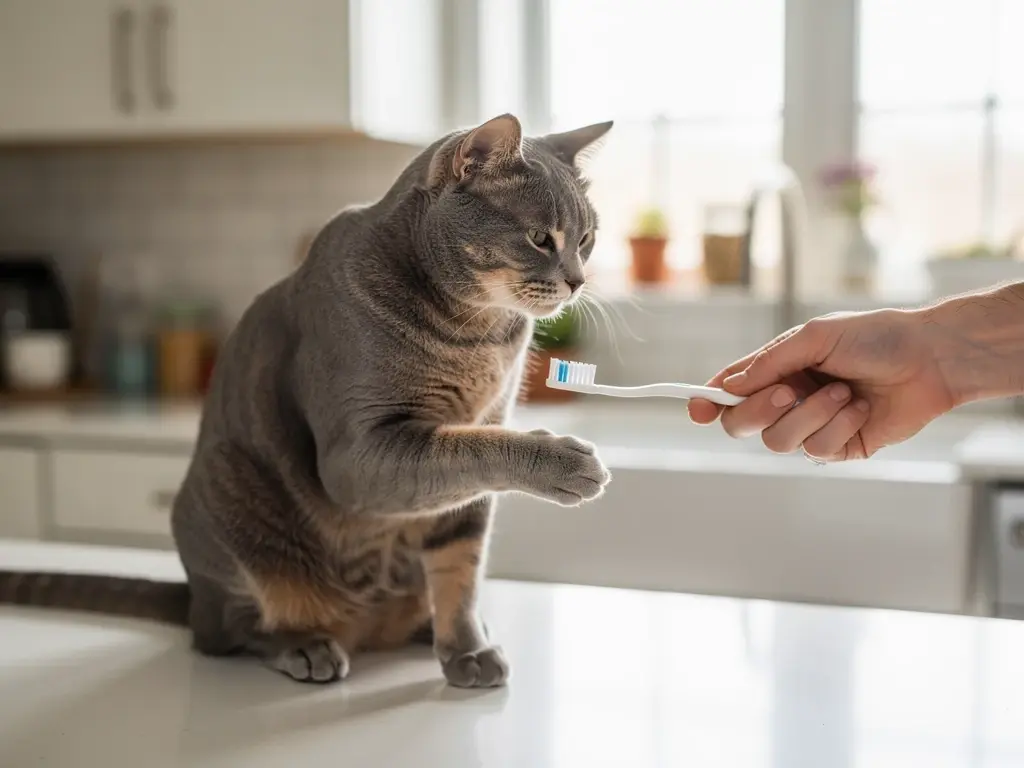
That last part matters. If you've never managed to care for your cat's teeth, it's not because you're careless. It's because nobody built anything for you.